When is enough, enough?

If you’re the kind of reader who wants to cut to the chase, here’s the link to my new project, apathy to action. The following post gives a little background and context, and explains what drove me to create it, if you’re at all interested.


As many people might know from my work over the years, I’ve dedicated most of my life trying my best to develop, and help others develop, meaningful and impactful social and environmental solutions to some of the world’s biggest problems. On the surface I’ve done a pretty good job of it too, and have the recognition and best-selling books to prove it.

But it’s never felt enough.

People are often surprised when I say that I feel powerless to all that’s wrong in the world today. It feels like nothing less than radical change is what’s needed. I can’t help but think that this is not the time to tinker around the edges. It’s time to stand up, use our voices, get out on the street, be ‘more activist’ (whatever that means) and put what we believe in on the line. “That’s all very well and good,” my inner voices says, “but you’ve never been brave enough for any of that.” And it’s right. I’ve never even been to a demonstration.
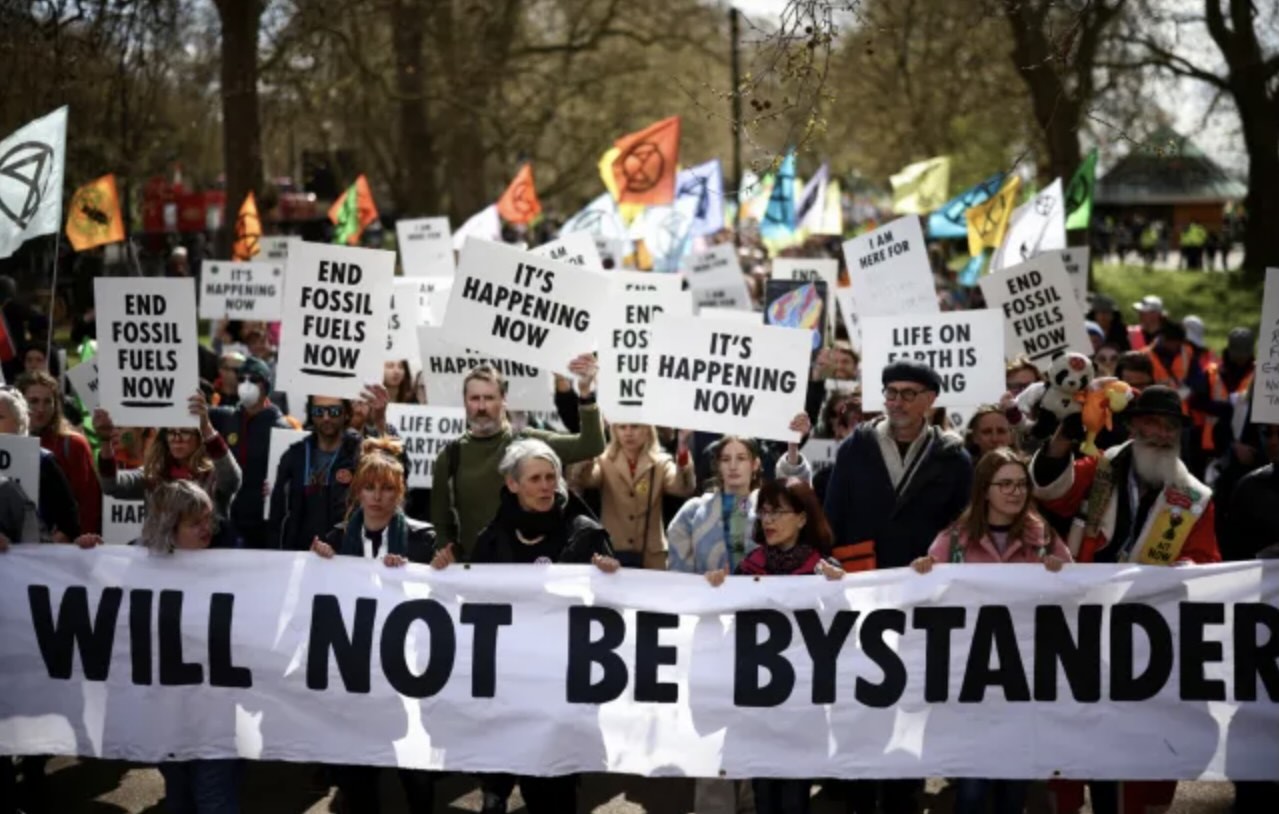
But I can use my voice – it’s just taken me far too long to wake up to it. I’ve been so slow off the mark that I’ve only recently started sharing posts – mostly on LinkedIn – about all the horrific things being inflicted on innocent civilians in Gaza and the West Bank. It’s also been a topic of conversation with my children, something I remember doing with my mother as a child. Has this crisis really been going on that long? And why are my LinkedIn posts met with a wall of silence? Why are good people seemingly ignoring what’s going on, perhaps hoping it will go away?

It’s the same with many other conflicts destroying peoples lives around the world, whether they be in Sudan, Yemen, the DRC or Ukraine. And let’s not forget the refugee crisis, climate crisis or threats to democracy, to name just a few more. None of our collective silence on many of these issues makes much sense to me. I know we all care, so what gives?

So I decided it was only right to try and figure out why so many others, like me, have struggled to adequately respond to these unfolding global issues. A couple of weeks ago I kicked things off with a post about my apathy, and I attended a War on Want event in London a few days later. I continued writing LinkedIn posts about Gaza, posts which continued to be met with a wall of silence. And in quiet moments in between that thing called everyday life, I wondered how many other people out there cared like I did, but simply didn’t know what to do, or where to begin?

So this is what I’ll be doing.

First, find as many people who feel like me, but do little like me. I know there are a lot of you out there. Once we’re together, we’ll collectively unpick our apathy and explore how we might find ourselves, and everyone else, a way out. I won’t promise you an ‘app for that’, but hey, there may end up being an app for that. Help me decide.
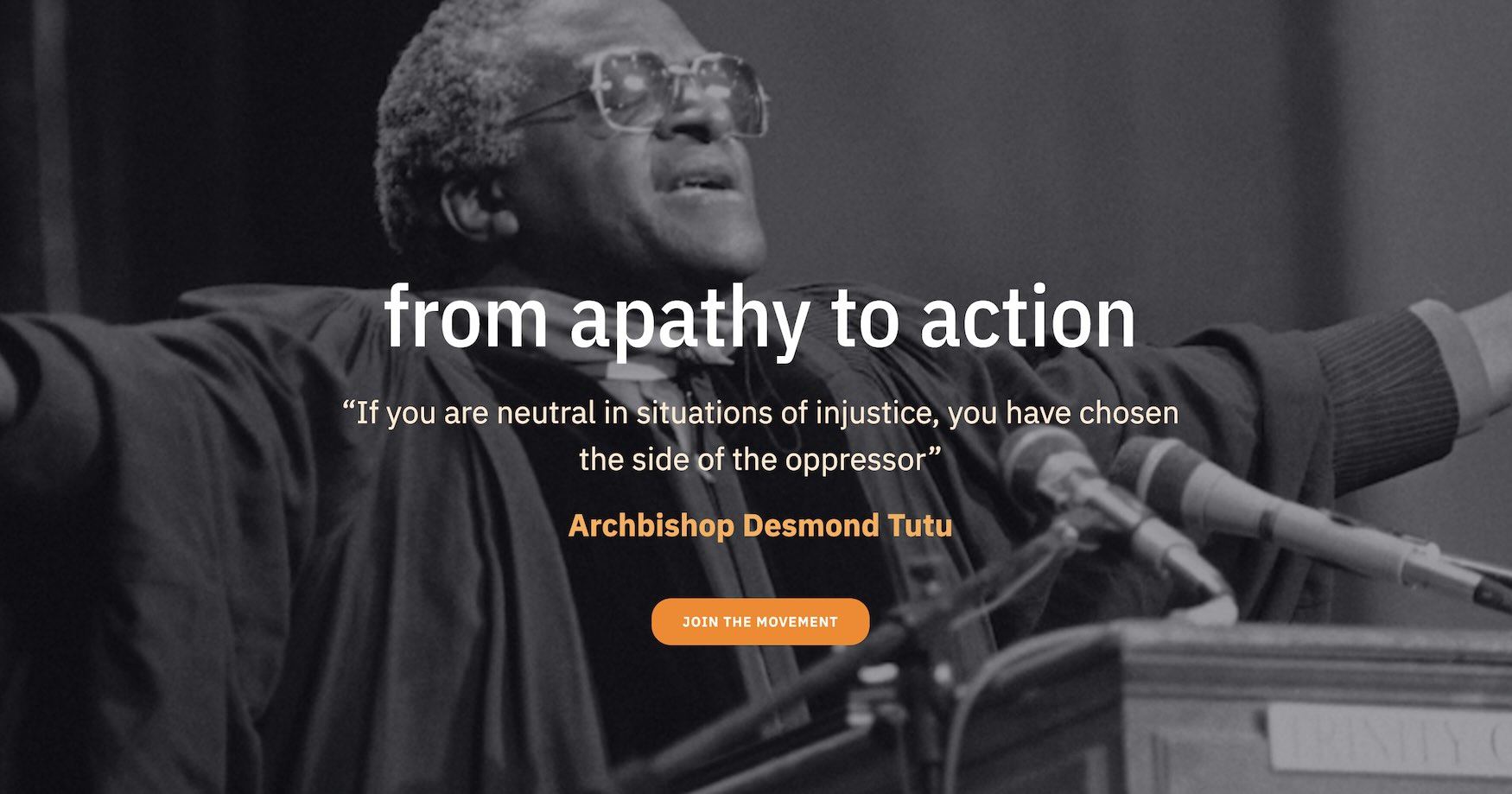
So, welcome to apathy to action, the first new kiwanja initiative since I published my memoir three years ago. As always, I’ve put together a website where you’ll find more details, a little background, and a link to a short 3-minute survey which acts as your registration of interest. I know there are a lot of people out there who feel as disempowered as I do, and I’d love to bring as many of us together so we can collectively move from a state of apathy to one of action.

Because we need it. And the world needs it. 

Hope to see you there.
Time to get my feet dirty?

I’m old enough to remember the euphoric tech-optimism of the mid-2000’s, a time when the Internet and mobile technology were blazing a trail across much of the developing (read: offline) world. Soon, the argument went, everyone would have a voice and that could only be a good thing for human rights, democracy and economic empowerment, to name a few.

And for a while it was. But not so much now.

I was incredibly fortunate to get caught up in what was fondly known back then as the ‘mobile revolution’. As long ago as 2003 – that glorious Nokia-dominated pre-smartphone era – Richard Burge and I carried out research in an attempt to capture and document how phones were being used across Sub-Saharan Africa, and what lessons could be learnt from that use. Most of the evidence was anecdotal, and it’s funny to think that one of our conclusions was that mobile phones had potential for conservation and development work, but whether or not they would reach it was unclear. I still refer to that time as a ‘golden age of discovery‘, one where you could fit everyone innovating around the technology into a small room, and where you could try almost anything in the knowledge that it had likely not been tried before.

Of course, those days are long gone. And so has all that optimism.

We all know you can’t blame the technology for how people choose to use it. Mobile phones and the Internet have clearly revolutionised communication and access to information, but their widespread use has also contributed to the erosion of democracy and societal cohesion, particularly over the last 15 years. The rapid spread of misinformation, polarisation through algorithm-driven echo chambers and manipulation of public opinion via social media have weakened trust in democratic institutions and fragmented communities. The evidence is all around us.

Dumb phones, once occasional tools of convenience, have become smart and are now constant companions, contributing to rising levels of anxiety, attention disorders and feelings of isolation, especially among young people. Today’s always-on culture, social comparison and digital overload have created a mental health crisis as we struggle to disconnect from a world designed to keep people scrolling rather than reflecting, connecting or engaging meaningfully in civic life.

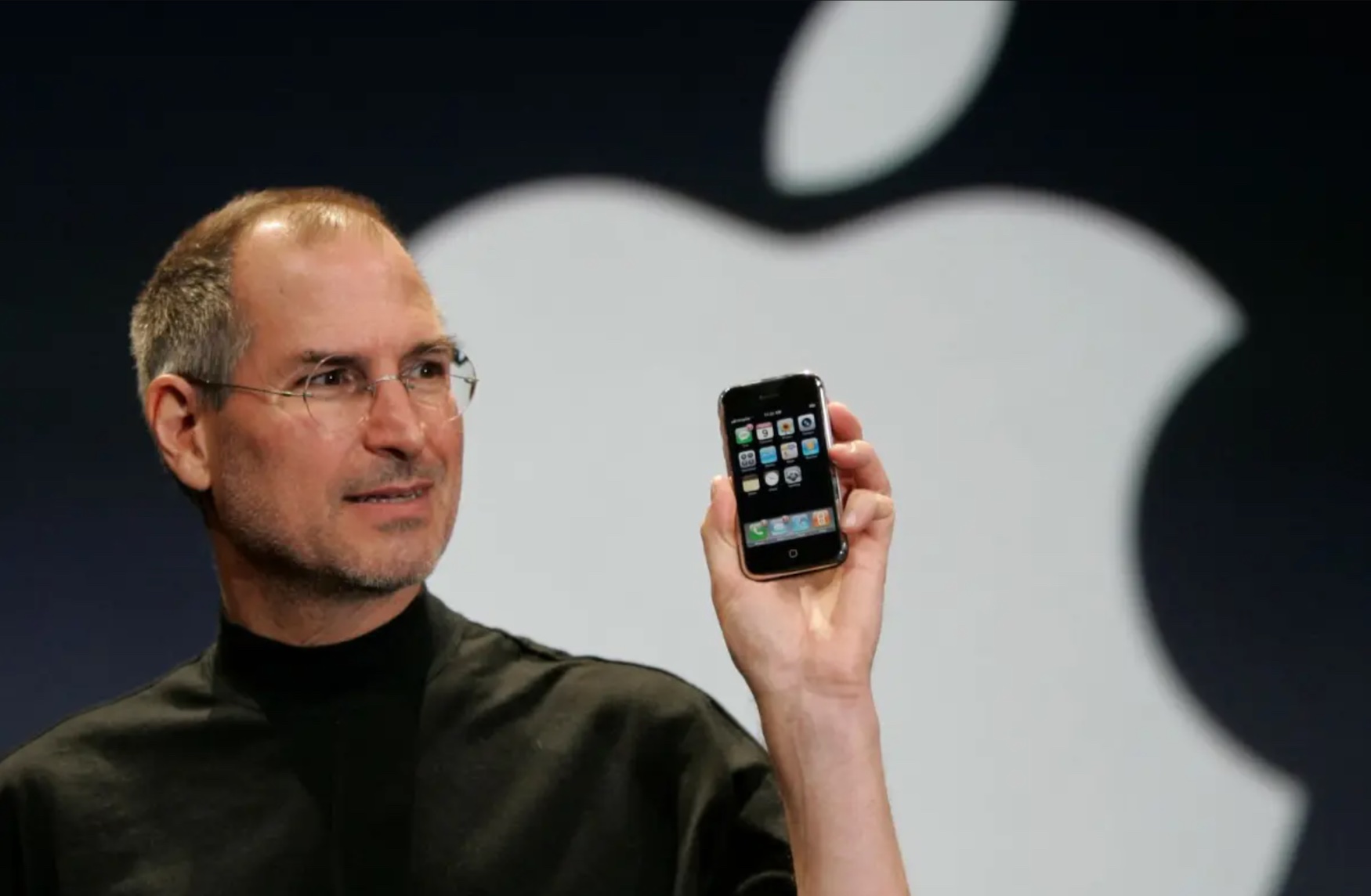
Steve Jobs launching the original iPhone in 2007

But we are where we are. And it could have been so different. Jonny Ive, designer of the iPhone, has publicly acknowledged the down side of one of his greatest triumphs. ‘Humanity deserves better‘, he says. And it does.

My contribution to the ‘mobile revolution’ was the founding of kiwanja.net and the creation of FrontlineSMS. I always did my best to take something of a back seat, to remain relentlessly focused on the end user and to provide tools and access to information and resources that helped social and environmental activists do their own work better. It’s with fondness that I remember a conversation I had with the marketing team at National Geographic when I won my Explorer Award in 2010. I was asked for photos of me in the field working with FrontlineSMS users, and I didn’t have any. Users took the software and did all the work themselves, I told them, without needing me to get in the way. I remain convinced that this is why it worked so well, and the reason it created genuine empowerment and excitement.

That approach seems less compelling today and, as I look back exactly 20 years on, it feels like time to figuratively ‘come in from the cold’. Remaining quiet or passive (or whatever you want to call it) doesn’t really cut it anymore as so much crumbles around me. The big question, of course, is what to do. What might make a difference? How might I contribute? Is it even worth trying? I could easily write a book about all the things that trouble, anger or upset me, but there are probably five that spring immediately to mind.

The erosion of US democracy
Increasing political polarisation, attacks on voting rights, disinformation and the undermining of democratic norms have placed the US under serious internal strain, with global implications for us all.

The ongoing crisis in Palestine
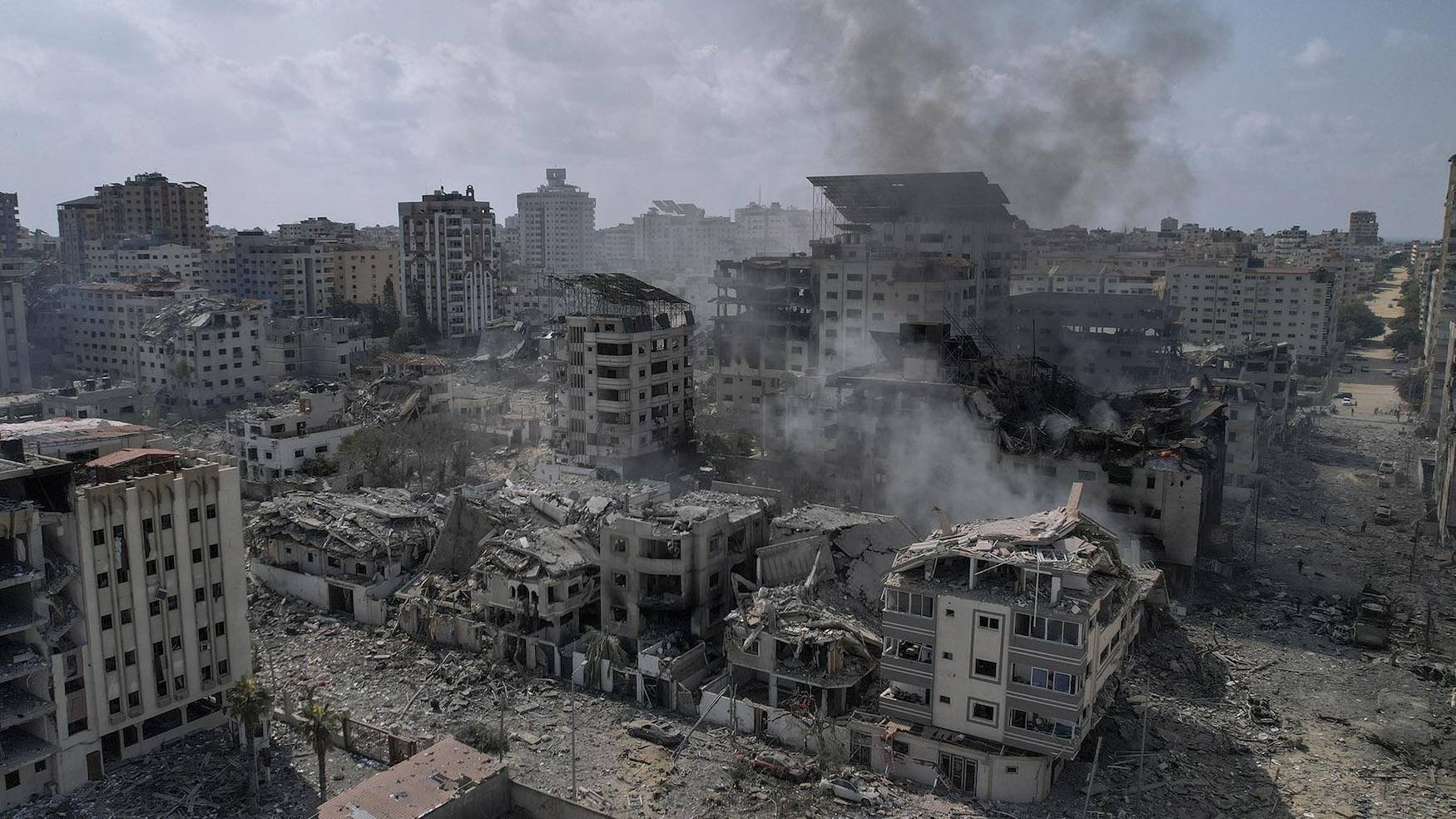
Decades of occupation, repeated military conflict and a deepening humanitarian catastrophe have left millions of Palestinians without security, rights or hope, raising urgent questions about justice, statehood and international accountability.

Buildings hit by Israeli airstrikes, Gaza (Photo: Hatem Moussa)

The climate emergency
Extreme weather, rising sea levels, biodiversity loss and worsening climate-driven inequality threaten global stability. Despite overwhelming scientific consensus, political inaction continues to delay any kind of meaningful progress.

The global migration and refugee crisis
War, climate change, economic collapse and persecution are displacing millions worldwide. Yet the response from wealthier nations is often defined by border walls, detention centres and xenophobic policies rather than compassion or responsibility.

The rise of authoritarianism and digital surveillance
From China to Hungary to parts of Africa and Asia, autocratic regimes are consolidating power, often using digital tools to monitor, censor and suppress dissent. This trend threatens human rights, freedom of expression and global democratic norms.

I’ve been fortunate to have built more than enough social capital over the years, and much of it continues to fuel the work I do today. But despite a life largely spent trying to doing good, it no longer feels like enough. Boots on the ground might be a more appropriate response, causing ‘good trouble’ as US Senator John Lewis described it. “Speak up, speak out, get in the way. Get in good trouble, necessary trouble, and help redeem the soul of America” was his civil rights rallying cry.

What it boils down to, at the end of the day, is what we have to lose by taking action, and whether we’re prepared to do it. Throughout history many people have paid the ultimate price for standing up for what they believe in, for getting their boots on the ground. What could I possibly lose for standing up and speaking out compared to those who have given their lives?

Plenty of things keep me awake at night, in particular a sense that I’m not doing enough. Having young children who will inherit this mess doesn’t help. But not knowing what to do is only a part of it. We can always start by speaking up.

So that’s where I’ve decided to start. beginning with this post today. Who will join me?